japanese beetle life cycle wisconsin
Once those eggs hatch the larvae or white grubs feed on the roots of grass through the rest of summer. The Khapra beetle has the appetite of a king and because it multiplies with immense efficiency it can quickly decimate entire crops of grain.
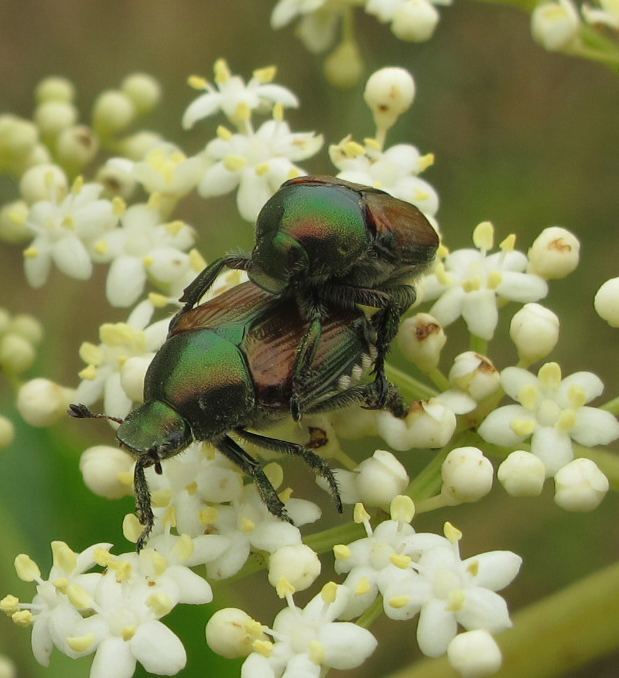
Organic Management Options For The Japanese Beetle At Home Gardens Missouri Environment And Garden News Article Integrated Pest Management University Of Missouri
All MayJune beetles in Wisconsin have three-year life cycles except for the widely distributed Phyllophaga tristis which has a two-year life cycle.

. In fall they move down 8 to 12 inches below the surface to overwinter. More than being a headache for farmers however. Life cycle Japanese beetles have only one life cycle per year.
VLBs overwinter as eggs and development from eggs to adults takes approximately eight weeks. The life cycle of the Japanese Beetles consists of four stages of development called complete metamorphosis. The grub is a.
All MayJune beetles in Wisconsin have three-year life cycles except for the widely distributed Phyllophaga tristis which has a two-year life cycle. Japanese beetle adults are first noticed in early July based on temperature when they emerge from the soil to feed and mate. Lifecycle of the Japanese beetle.
Life cycle Adults appear in late June and are active until early September. Japanese Beetles are the number one pest plaguing yards and gardens across Wisconsin right now. Most years the adults can be.
Adults typically begin to. Ova are laid individually or in small clusters near the soil surface. Japanese Beetle Life Cycle.
There is only one generation of VLB per year. In the summer around June or July full-grown beetles will lay eggs. Controlling Japanese beetle adults can be a real challenge but there are options for you.
The beetles range appears to be. Look the life cycle of the Japanese beetle is much like the cycle of many other beetles. Japanese beetles have been reported this week feeding on corn silks and in one report kernels in southeastern.
Life cycle Adults appear in late. Life cycle Japanese beetles have only one life cycle per year. The adults are most active in.
Larvae feed on roots underground while adults feed on leaves and stems. To help understand how to manage these insects its important to know their life cycle. All MayJune beetles in Wisconsin have three-year life cycles except for the widely distributed Phyllophaga tristis which has a two-year life cycle.
Liesch Director of the UW Madison Insect Diagnostics Lab will. Japanese Beetles Life Cycle Amazingly this year weve not. Adult beetles generally start feeding on leaves growing on the top of the infected plant which is a sign of a Japanese beetle infestation.
Adult females begin laying eggs soon after they emerge from the ground and mate in late-June. Adults emerge in late May and.
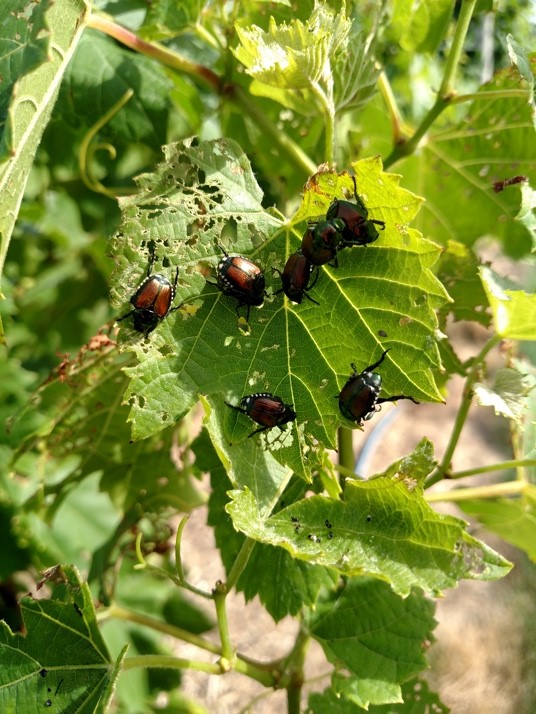
Managing Japanese Beetles In Vineyards Wisconsin Fruit

Ready Pest Control Pests Japanese Beetles
First Appearance Of Japanese Beetle In Southern Wisconsin Wisconsin Fruit
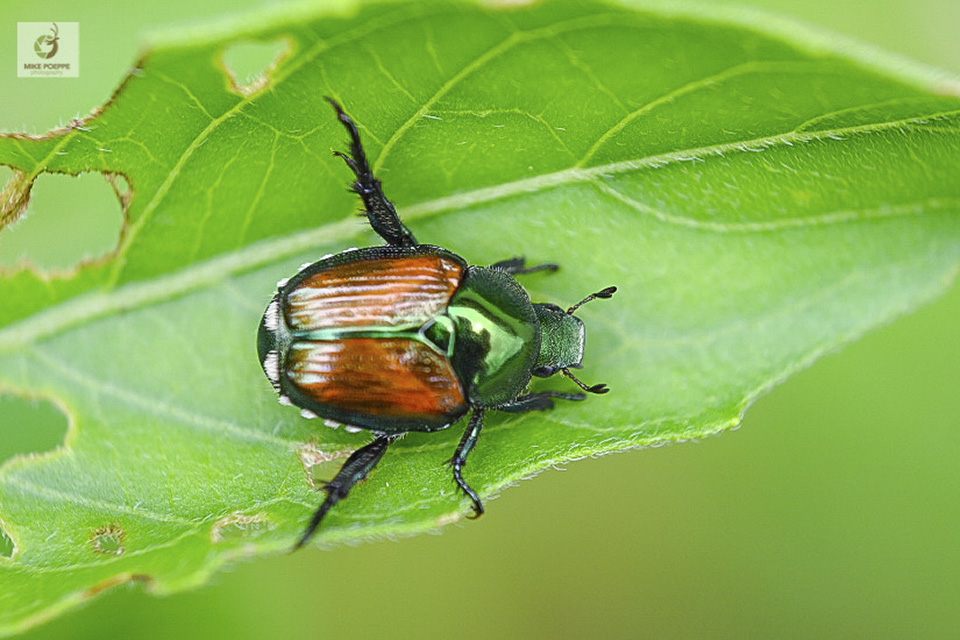
Minnesota Seasons Japanese Beetle

Japanese Beetles 100 Years And Counting Insect Diagnostic Lab
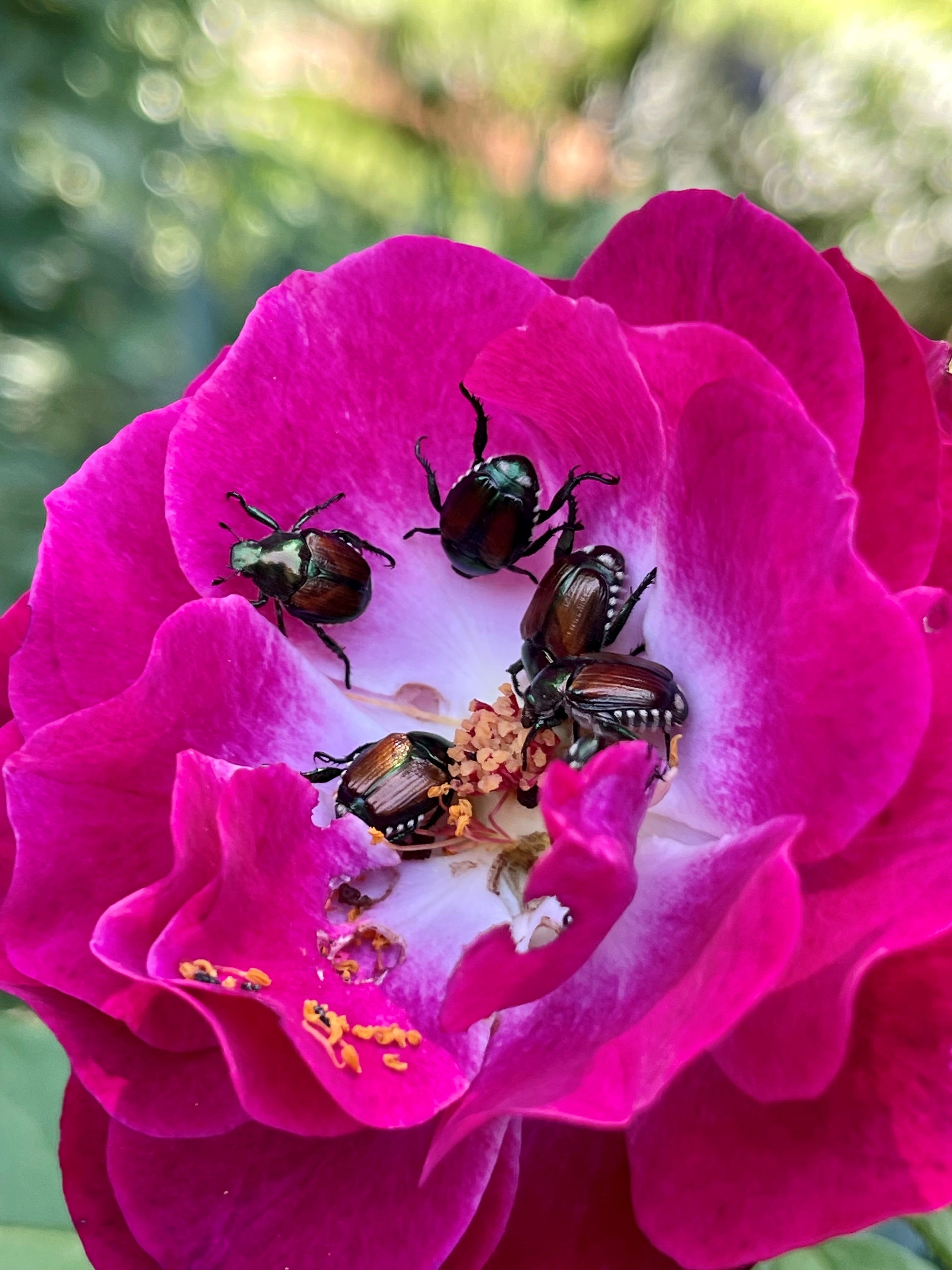
What Wisconsin Gardeners Should Know About Japanese Beetles
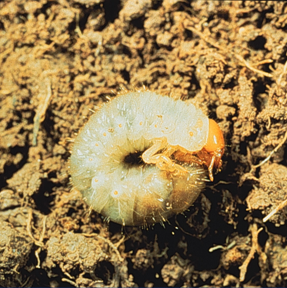
Japanese Beetle Wisconsin Horticulture
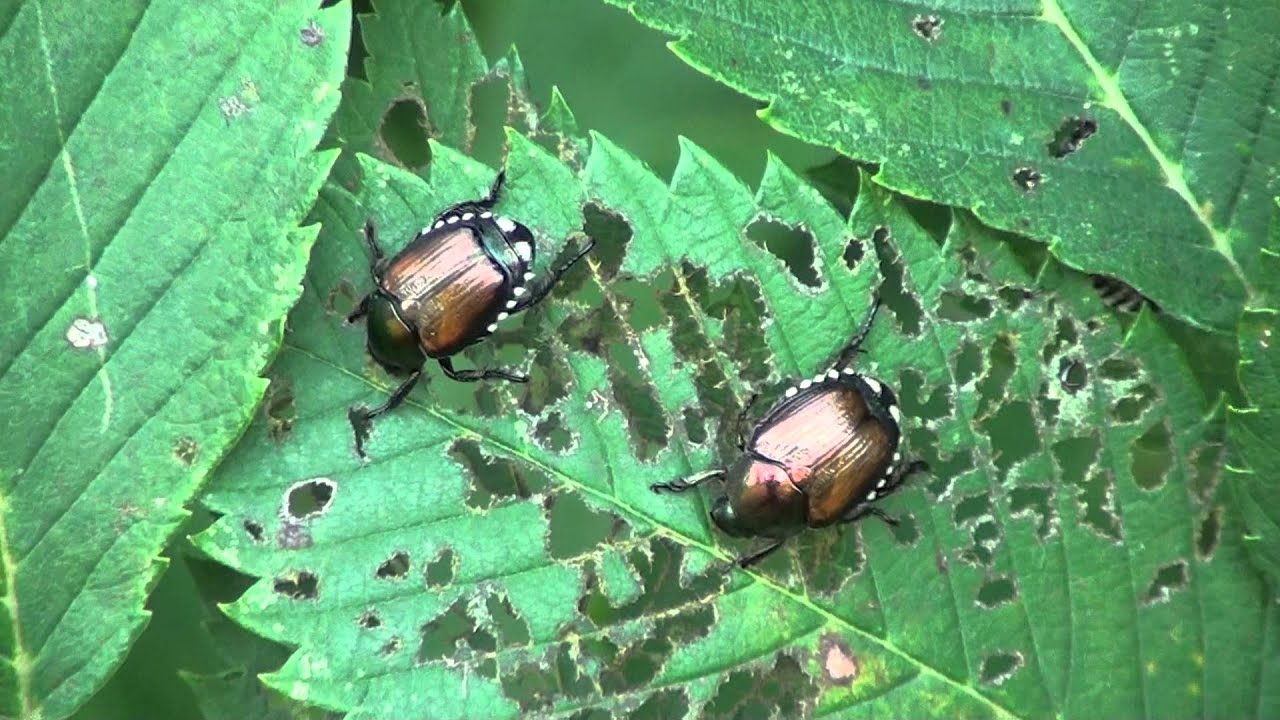
Japanese Beetles Scarabaeidae Popillia Japonica Showing Elm Leaf Damage Youtube

Japanese Weevil Makes Its Wisconsin Debut Wiscontext
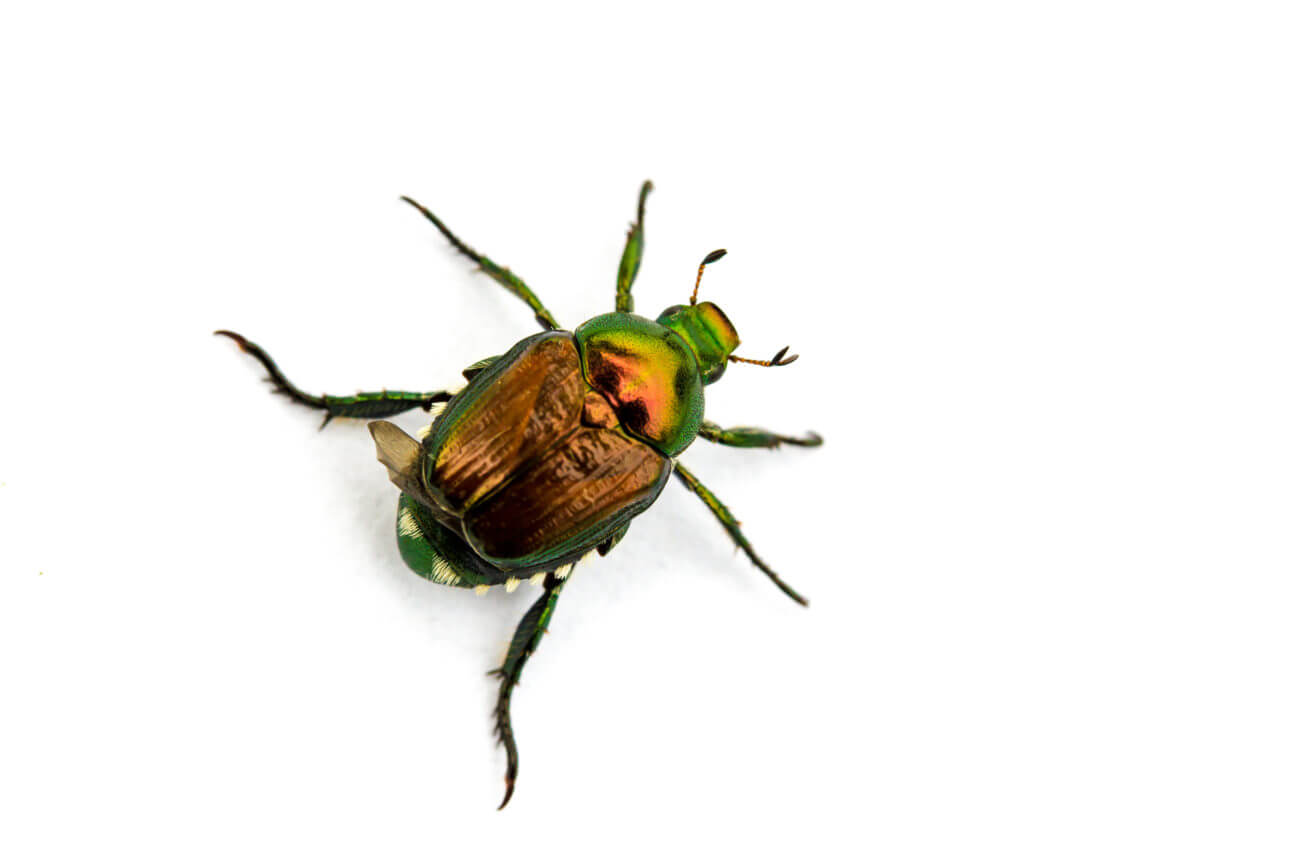
Japanese Beetle Soybean Pest Soybean Research Information Network Srin

The Japanese Beetle Gnaws Its Way Into Farmers Billfolds The Daily Yonder

Japanese Beetles Stop Them In Their Tracks Simplify Gardening

Japanese Beetle Wisconsin Vegetable Entomology

How To Control Japanese Beetles Farm And Dairy

How To Control Japanese Beetles In The Home Garden Gardening Channel

May June Beetles Wisconsin Horticulture
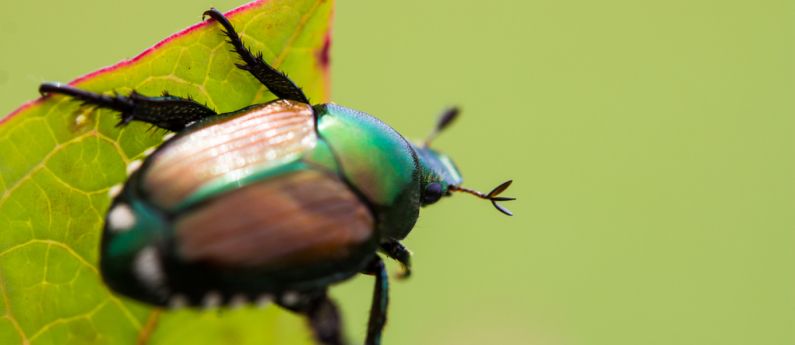
The Myths And Facts About Trapping Japanese Beetles Rescue
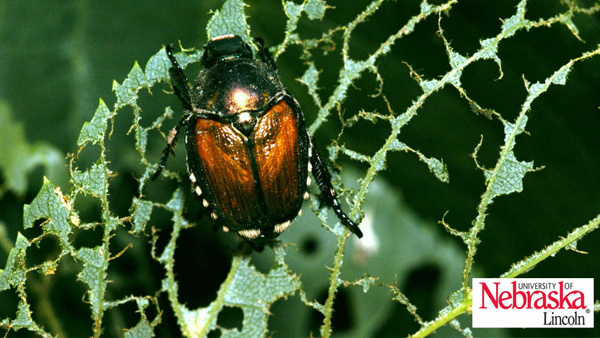
Insects Japanese Beetle And Stink Bug Cropwatch
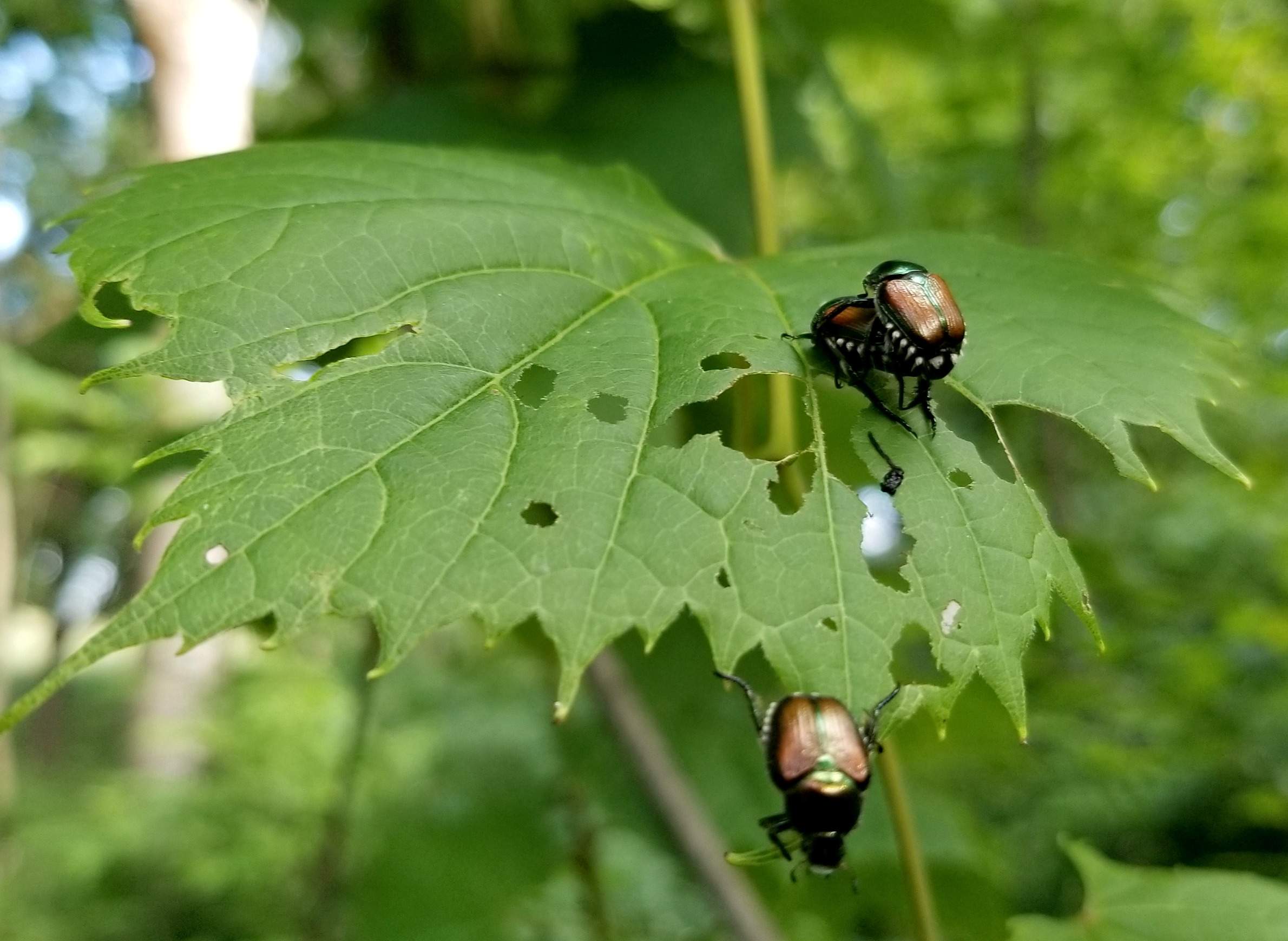
5 Common Questions About Managing Japanese Beetles Wiscontext